 English
 Afrikaans
 Shqip
Shqip አማርኛ
አማርኛ العربية
 Հայերեն
 Azərbaycan dili
 Euskara
 Беларуская мова
 বাংলা
বাংলা Bosanski
 Български
 Català
 Cebuano
 Chichewa
 简体中文
简体中文 繁體中文
繁體中文 Corsu
Corsu Hrvatski
 Čeština
 Dansk
Dansk Nederlands
 Esperanto
 Eesti
Eesti Filipino
 Suomi
Suomi Français
 Frysk
Frysk Galego
 ქართული
 Deutsch
 Ελληνικά
 ગુજરાતી
 Kreyol ayisyen
 Harshen Hausa
 Ōlelo Hawaiʻi
 עִבְרִית
 हिन्दी
 Hmong
Hmong Magyar
 Íslenska
 Igbo
Igbo Bahasa Indonesia
 Gaelige
 Italiano
 日本語
日本語 Basa Jawa
 ಕನ್ನಡ
ಕನ್ನಡ Қазақ тілі
 ភាសាខ្មែរ
 한국어
한국어 كوردی
كوردی Кыргызча
 ພາສາລາວ
 Latin
Latin Latviešu valoda
 Lietuvių kalba
 Lëtzebuergesch
 Македонски јазик
 Malagasy
 Bahasa Melayu
 മലയാളം
 Maltese
 Te Reo Māori
 मराठी
मराठी Монгол
 ဗမာစာ
ဗမာစာ नेपाली
 Norsk bokmål
 پښتو
پښتو فارسی
فارسی Polski
 Português
 ਪੰਜਾਬੀ
 Română
 Русский
 Samoan
 Gàidhlig
 Српски језик
 Sesotho
 Shona
Shona سنڌي
سنڌي සිංහල
සිංහල Slovenčina
 Slovenščina
 Afsoomaali
 Español
 Basa Sunda
 Kiswahili
 Svenska
 Тоҷикӣ
 தமிழ்
தமிழ் తెలుగు
 ไทย
ไทย Türkçe
 Українська
 اردو
اردو O‘zbekcha
 Tiếng Việt
 Cymraeg
 isiXhosa
 יידיש
יידיש Yorùbá
 Zulu
Zulu

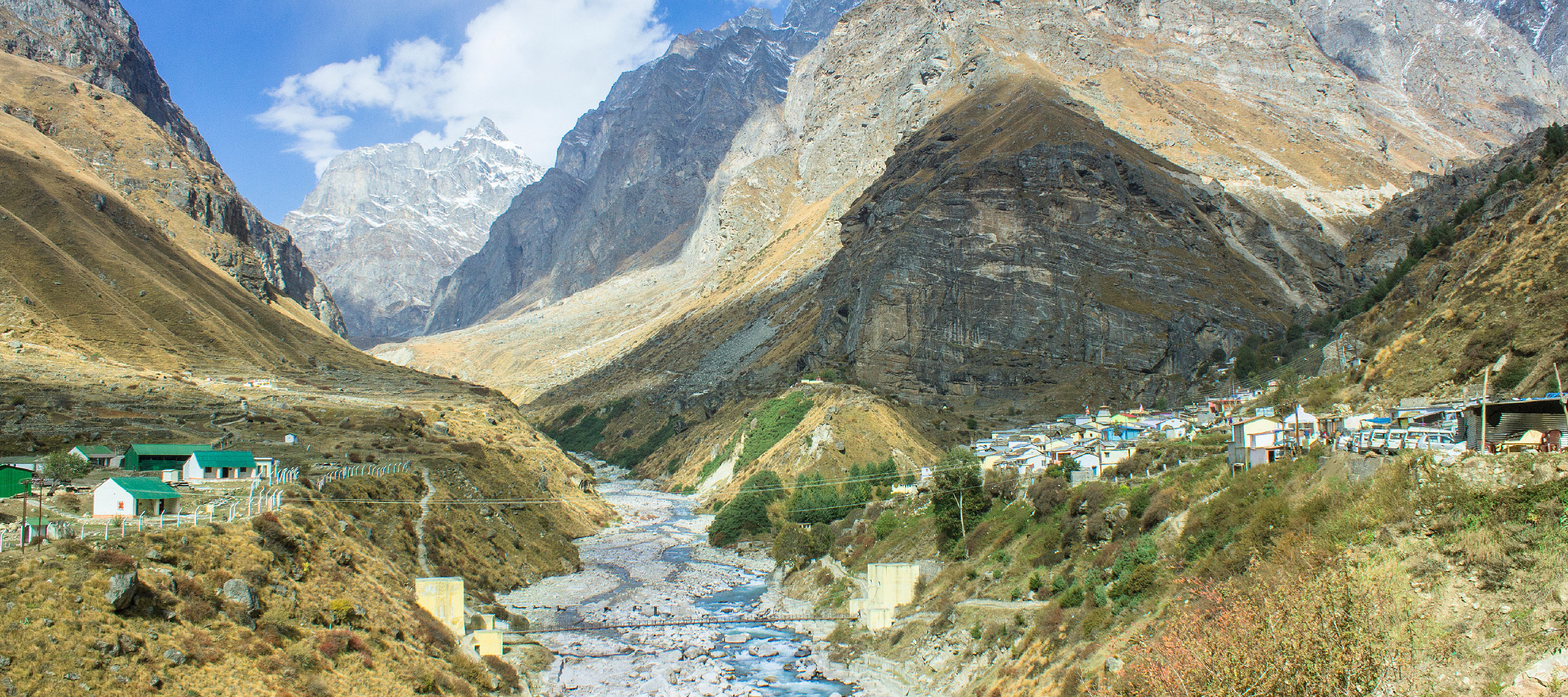
Badrinath or Badrinarayan Temple is a Hindu temple devoted to Lord Vishnu, situated in the town of Badrinath in Uttarakhand, India. Badrinath has an elevation of 3,100 meters (10,170 feet) on the banks of the Alaknanda River. The holy village lies between the Nar and Narayana mountain ranges 9 km east of Nilkantha peak (6,596m). Just like every ancient temple has exciting stories and religious saga, Badrinath temple has its own.
Read more…
The temple is widely considered one of the holiest Hindu shrines. The temple and town number among the four Char Dham pilgrimage sites and one of the 108 Divya Desams, holy shrines for Vaishnavites.
Due to extreme weather conditions in the Himalayan region, the temple opens only six months every year (between the end of April and the beginning of November). Devotees worship various Gods and Goddesses in the temple, the most important a one-meter tall statue of Vishnu as Lord Badrinarayan made of black Saligram stone. Lord Vishnu is sitting in a meditative posture rather than His far more typical reclining stance.
On Deepawali each year, when the town of Badrinath closes due to heavy snowfall, the head priest moves the image to nearby Jyotirmath, where worship of Lord Vishnu takes place in the winter months. Lord Vishnu, The Operator of this universe, is the main Deity of the Badrinath shrine.
It is the paramount duty of the devout Hindu to undertake the pilgrimage to the Holy shrine of Badrinath at least once in their lifetime. Every year millions of pilgrims throng to Badrinath from every nook and corner of the world to pursue blessings from Lord Vishnu.
Badrinath: As per Hindu mythology, Lord Vishnu was lying on its Shehsh Nag bed on the bank of the celestial lake, and Goddess Laxmi was cuddling His feet. Narad the sage passed through that place and reprimanded Lord Vishnu for indulging in worldly deeds. Lord Vishnu was shocked and sent Laxmi, his consort, Nag Kanya, to Patal Lok. He went into isolation in the Himalayas. Lord Vishnu spent several years in meditation, Laxmi, when returned, could not find Lord Vishnu. She searched and searched and at last seen Lord Vishnu, pleaded with him to return. Lord Vishnu agreed that the Valley of Badri Vishal should remain the Valley of meditation and not worldly pleasure. He was so pleased by the resolve of Laxmi for putting so much effort into her search. He pronounced that every time the devotees will take His name, they should recite the name of Laxmi first. It is the reason why we recite Sita Ram and Radha Krishan.
No pilgrimage is absolute without the pilgrimage to Badrinath 15.2 meters high shrine on the bank of river Alaknanda. It is beautifully painted with vivid colors and has beautiful carvings of Hindu Gods and Goddesses. It is one of the four most important pilgrim centers of Hindus scattered on the four corners of India. According to Hinduism, one must undertake a pilgrimage to Badrinath during his lifetime. Such is the recognition of this beautiful shrine in the lap of natural bliss.
Nearby is the place Mana Village where Mahabharata, along with teachings of Bhagavad Gita, the ancient scriptures came into being. It is located in the Nanda Devi Biosphere Reserve of the Himalayas. The temple benefits from the grandeur of that majestic mountain range. Adi Shankara, the founder of Advaita Vedanta around 800 C.E. designated the site as a holy pilgrimage site.
Mana Village: It is the last village of the Indian population and is mentioned in ancient scriptures as Manipadrapam and located at the confluence of the Alaknanda and Saraswati rivers. River Saraswati can be seen only at this place. After that, it vanishes into Pataal Lok. There are ancient caves like Vyas Gufa and Ganesh Gufa. The great epic Mahabharat was composed here. It has also provided the world with religious scripture in Bhagavad Gita, the philosophy of Life, and its rights and wrongs.
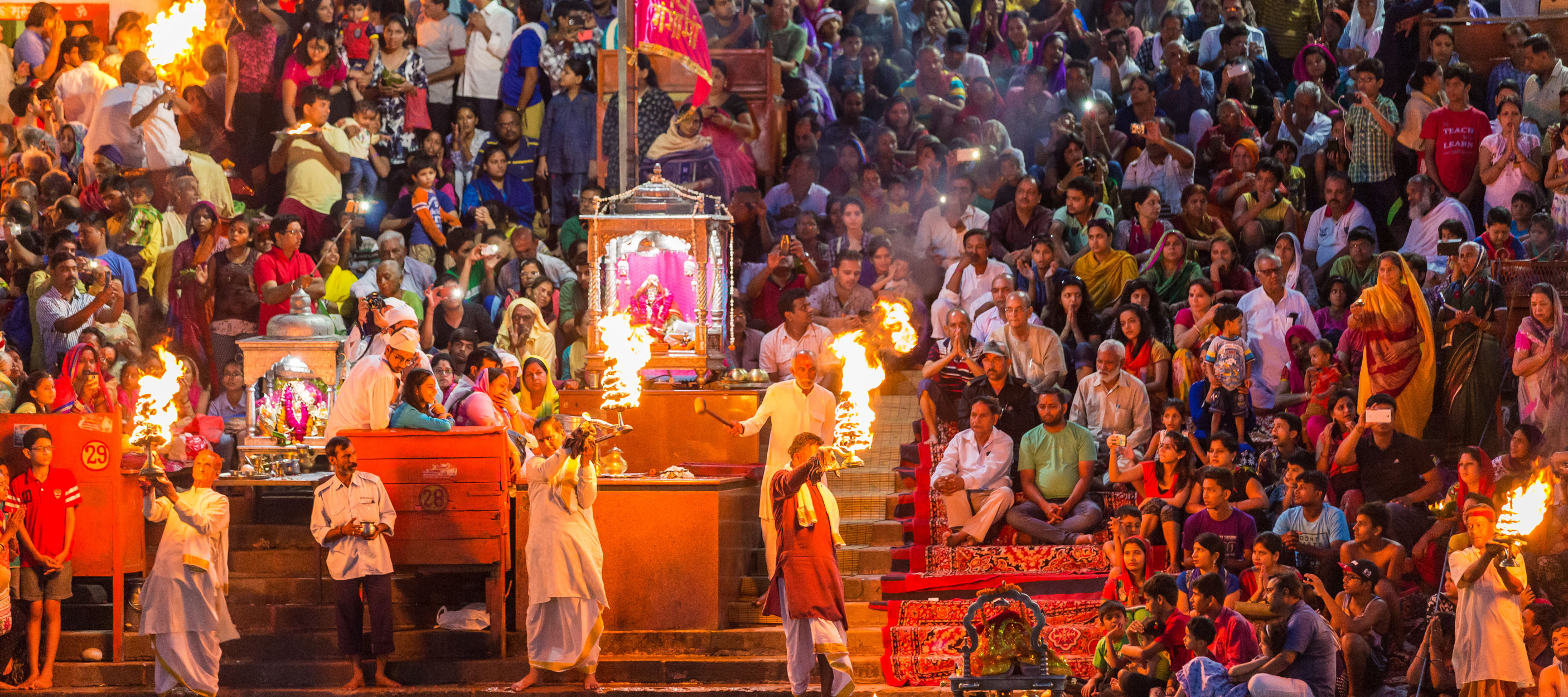
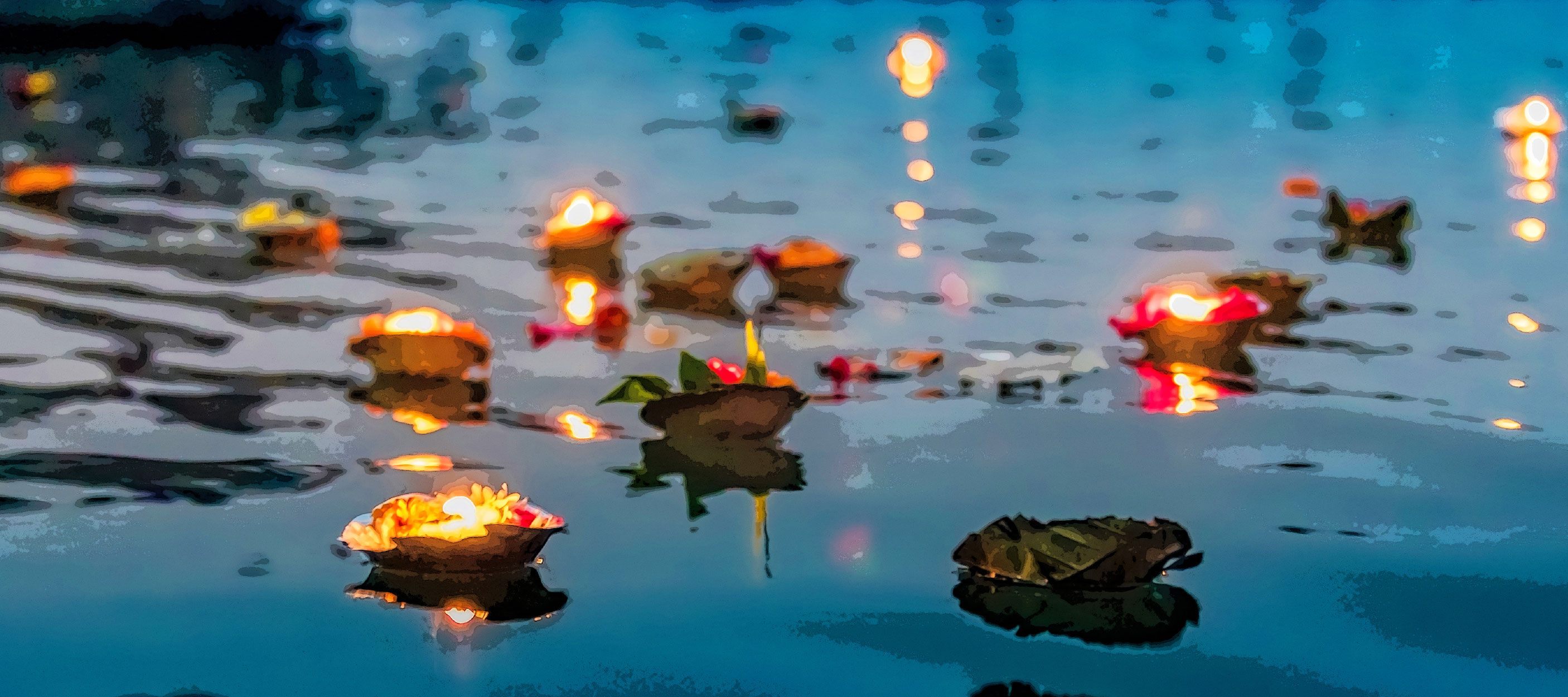
Haridwar: It is at this place that Holy River Ganga enters into the plains from high mountains, and it is the gateway to pilgrimage to the holy shrines of Badrinath, Kedarnath, Yamunotri, and Gangotri. Haridwar means the gateway to the abode of God. It was known as Mayapuri in the ancient scriptures. It is one of the four religious centers where Kumbh Mela, the congregations of millions of pilgrims. It takes place every twelve years, seeking a dip in the holy river Ganga to bequeath their Sins as per Hindu mythology. Lots of pilgrims visit Haridwar to take a dip in the sacred waters of Ganga and later on attend Aarti at Har ki Pauri, which means steps towards God
Departure from Delhi and the Trip Calls off at Goa.
As per schedule
Meet our driver at the Delhi hotel/Airport and drive to Haridwar. Arrive in Haridwar, check into the hotel. In the evening, visit Mansa Devi Temple & Ganga Aarti at Har Ki Pauri. Overnight stay will be at Haridwar.
On this day leave for Joshimath on the way halt for a photographic session at Dev Prayag, Rudra Prayag, Karan Prayag, and Nand Prayag. In the evening, reach Joshi Math, the seat of Shankaracharya. Badrinath Dham is closed due to snow in the winter months, the prayers at Narasimhan Temple at Joshimath occur. Overnight stay will be at Joshimath.
Dev Prayag: The confluence of river Bhagirathi Na Alakananda. Bhagirathi originates from Gaumukh 18 km. Gangotri and Alaknanda start from Alka Puri beyond Badrinath. From here onwards, Bhagirathi is called Ganga.
Rudra Prayag: The union of Mandakini and Alaknanda. Mandakini originates from Kedarnath. There is a sheer difference in the colors of water flowing in these two rivers. The color of Mandakini is deep green because it passes through thick vegetation and has curative properties. In contrast, the water of Alaknanda is Muddy because it flows through glaciers and its residue also flows in it. It is rich in minerals.
Nand Prayag: It is the confluence of Nandakini and Alaknanda. Nandakini originates from Nanda Devi.
Karan Prayag: It is the confluence of the Pindar River, which originates from Pindari Glacier in the Kumaon region and Alaknanda. There is also a temple here dedicated to Karna, who mediated here from Mahabharat.
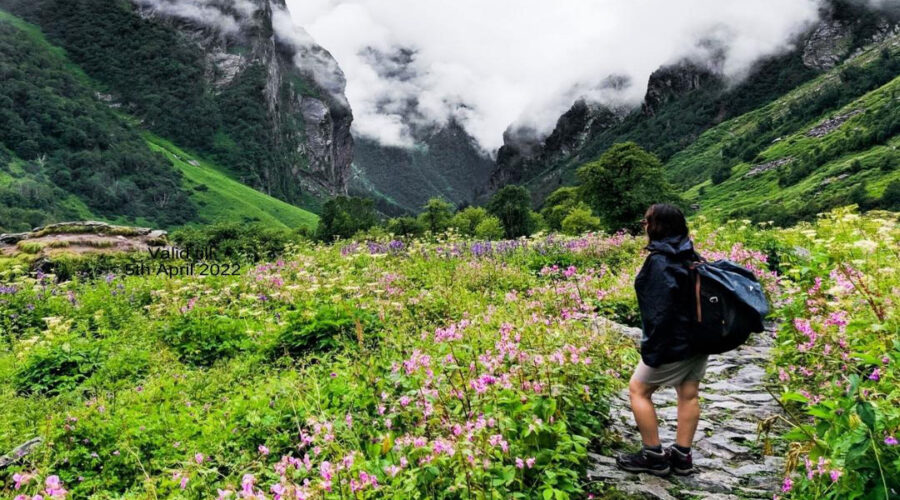
Early morning check out from the hotel, and we will proceed towards Badrinath. As we drive, we will pass through Pandukeshwar, one of the sites of Panch Badri and Govind Ghat, the base for the Valley of flowers.
As we arrive, check-in at the hotel. After taking some rest, visit the Badrinath shrine to offer prayers.
We will be visiting Mana Village in the afternoon, and the night stay will be in Badrinath.
Rise early morning for the 190 km drive to Srinagar across
breathtaking mountain roads with scenes from the opposite direction. Arrive in the evening and check into your hotel. Overnight stay will be in Srinagar.
On this day, we will start early for Delhi, and on the way, we will visit Rishikesh.
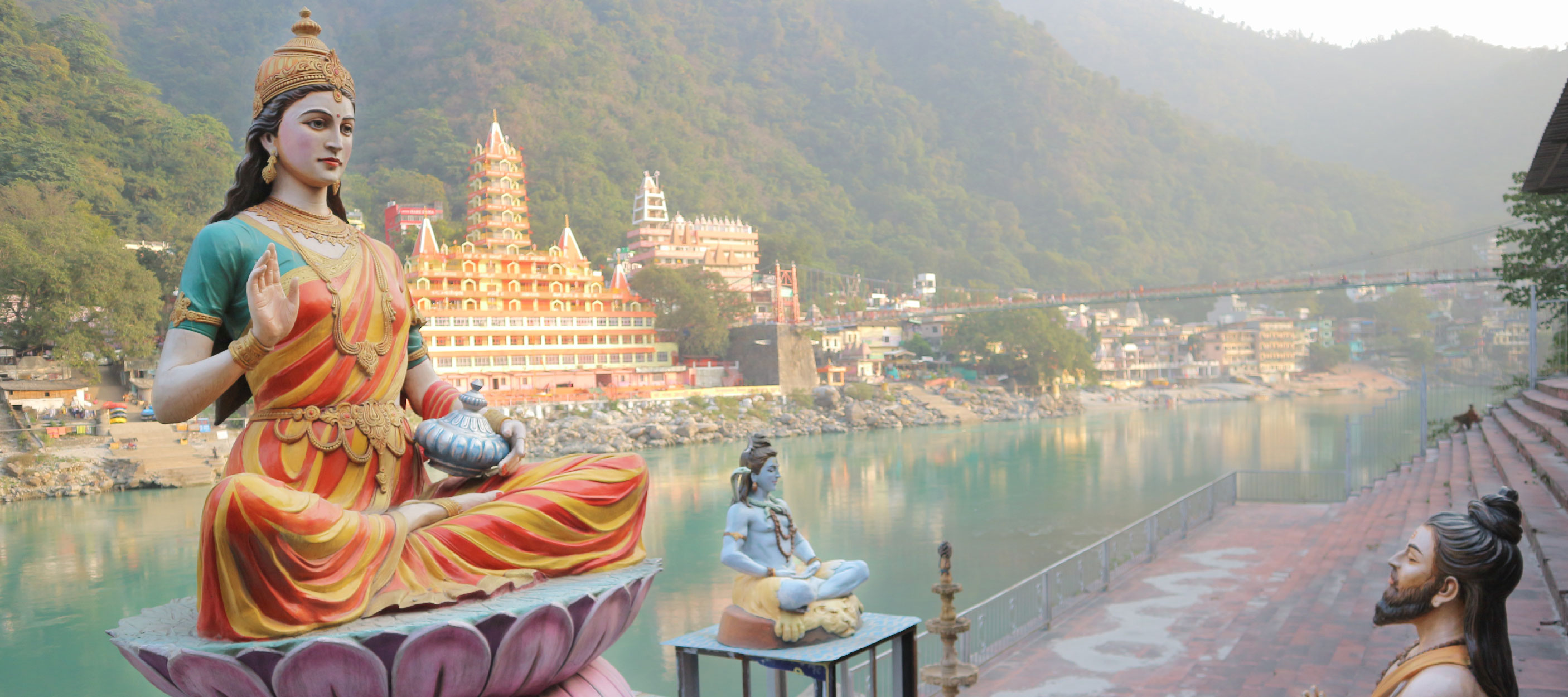
Rishikesh: According to Hindu scriptures, Raibhya Rishi undertook hard penances on the right bank of Ganga. Mountains on three sides surrounded it. God, pleased with his penances, appeared and blessed him. From that moment, the location became Rishikesh, The Celestial Abode. From all over the world, pilgrims visit this place. Bharat, the brother of Ram, performed arduous penances at Rishikesh. The construction of a temple took place at that spot. The town came up around it. It became the abode of saints and sages. They undertook pilgrimages to Badrinath, Kedarnath, Yamunotri, and Gangotri, Char Dhams of Himalayas.
Here we will visit Laxman Jhula, various temples, and Ashrams, and after lunch, we will proceed for Delhi. On arrival at Delhi, the tour ends. Further arrangements can be made by Adventure Delight if informed in advance.
Ans. The Badrinath shrine is in the Chamoli District of the state of Uttrakhand in India. Lord Vishnu, the operator of this universe, is the deity of this shrine. It is around 525 km from the Indian capital Delhi. It is one of the most sacred shrines of Hindus and must-visit temples to attain salvation in one’s lifetime.
Ans. The best time to undertake a journey to Badrinath is May-June and September-October. The monsoon months are strictly not to trip due to heavy rainfall resulting in massive landslides and roadblocks.
Yes. It is pretty safe to visit Badrinath for a solo lady traveler. The people are helpful, hospitable, and easy to talk to in the Himalayas. There are pretty decent facilities to stay in and for food available throughout the pilgrimage route. It is advisable to contact a reputable travel agency to arrange your transportation, accommodation, and food.
Ans. The availability of ATMs is quite widespread on this pilgrimage route.
Ans. Only decent vegetarian food is available on the entire course.
Ans. Few heavy woolens, loose cotton clothes, raincoat, and an umbrella to be carried if visiting Badrinath in May-June-September and heavy to light woolens to be taken in October.
Ans. Yes, many neat and clean stay options are available on the Badrinath pilgrimage route. But please don’t expect luxury.
Ans. The ideal itinerary to visit Badrinath from Delhi for five days is- Delhi-Hardwar- Badrinath-Srinagar-Rishikesh-Delhi.
Ans. Yes, there is no differentiation between Hindus and non-Hindus anyone can visit Badrinath. Anyway, Hindus also have to register themselves for this pilgrimage, and the same is with non-Hindus.
Ans. If your interest lies in spirituality, then Aarti at various river banks of Ganga and this holy shrine will engulf you. Suppose raw natural beauty, green meadows, the sight of clouds in the backdrop of blue sky, multiple waterfalls, and gigantic rustic mountains is where your passion lies. In that case, this is a perfect adventure. This tour will give you a chance to visit Rishikesh, the Yoga capital of the world.
Ans. Mana is the last village of the Indian population, and it is further five km away from Badrinath. Mana village is the only place where one can see the Saraswati River, the mythological river. There is also a confluence of the Alaknanda and Saraswati rivers at Mana Village. Bhutia tribe inhabited the Mana village.